
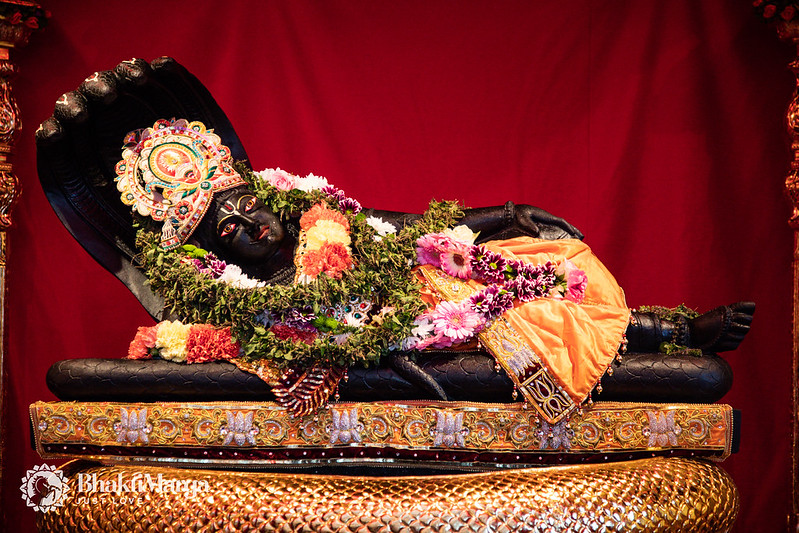
Sri Ranganatha’s Lilas

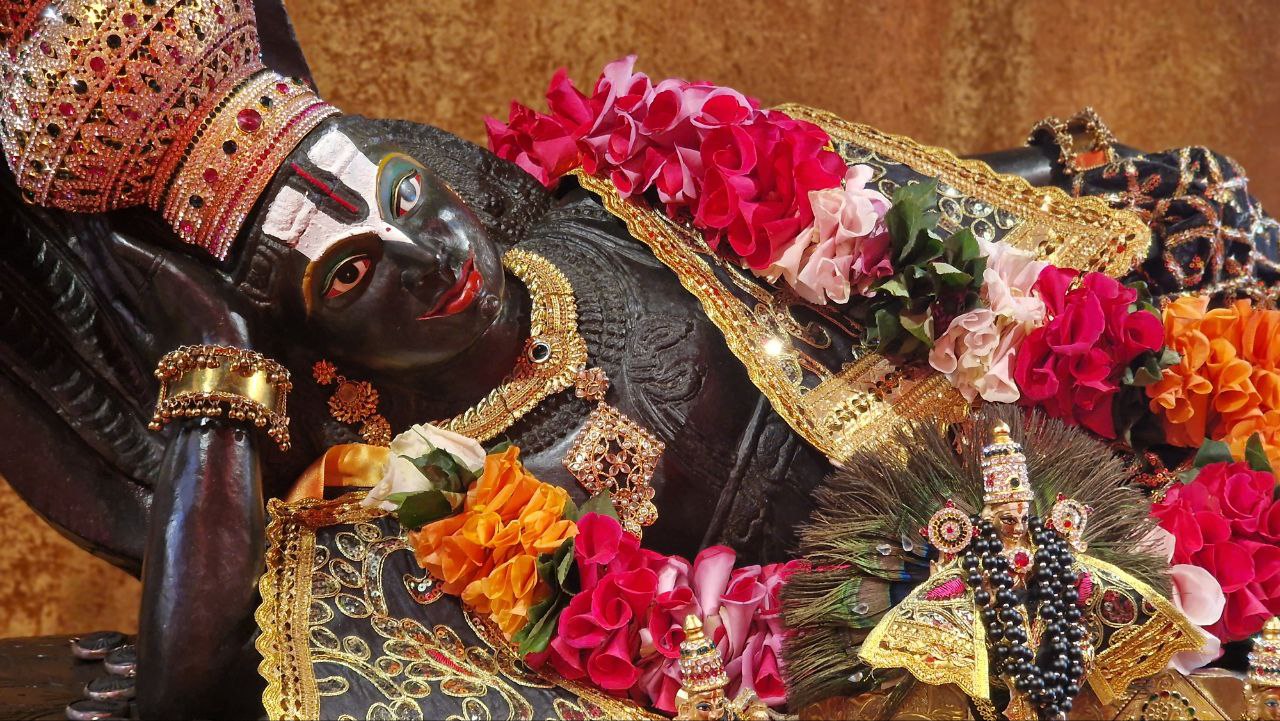
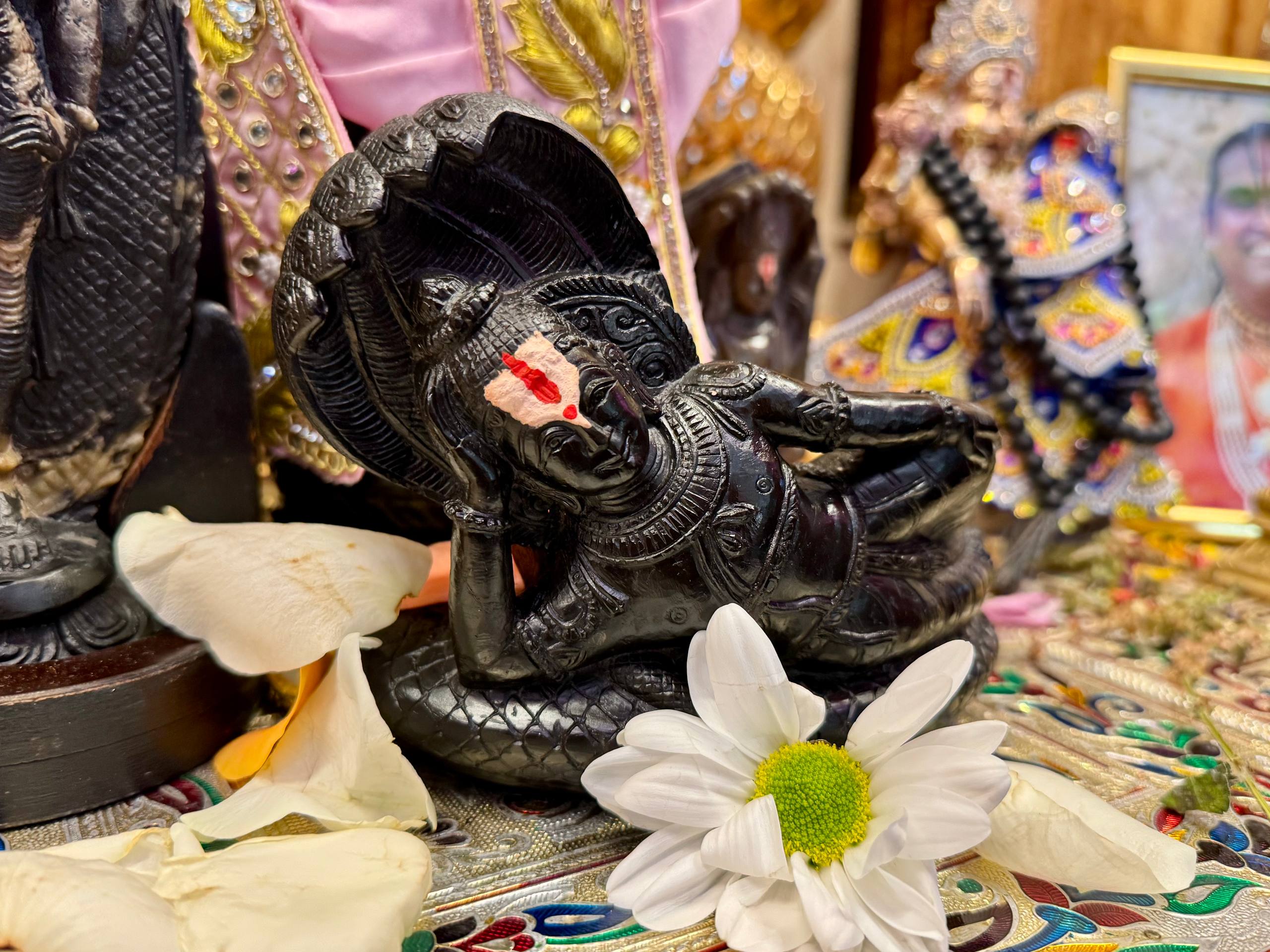
Serving Śrī Raṅganātha: From Routine to the Cosmic Divine
´My name is Rishi Sahadev, and I have been living at Shree Peetha Nilaya for the past three years.
Even before coming to the ashram, I always wanted to become a pūjārī.
Serving your personal deities is beautiful, but serving in a temple is different. It brings greater responsibility. A temple pūjārī must be careful, attentive, and disciplined. You are serving not only the deities but also the temple, the ashram, and the community. In a way, you become an example for others.
Temple service is also teamwork. Everyone follows the same rules and responsibilities, and that was one of the things that attracted me.
After I arrived at Shree Peetha Nilaya, I waited about a year and a half before I was invited to become a pūjārī. Around Christmas and New Year, Swami Akash and Ram Das asked me to join their team. At that time, they were the only two serving Śrī Raṅganātha. Since Swami Akash travelled often, Ram Das had to care for the whole altar by himself, which was no small task.
I was very happy to serve Śrī Raṅganātha. but more than anything, I was grateful to become a pūjārī. I would have been happy to serve any deity because every opportunity to serve is a blessing.
Guruji once wrote that we often imagine how our relationship with God should develop or what sevā we should do. But these things are not really in our hands.
Before becoming a pūjārī, I did not feel a strong personal connection with Śrī Raṅganātha. Looking back, I can see this was exactly the sevā I needed. ´
Before becoming a pūjārī, Rishi Sahadeva often sat in the temple looking at the deities. He remembers joking with Śrī Raṅganātha. in his mind: “All the other deities are standing or sitting, but You are simply lying down, smiling, and watching everyone else do the work.”
Soon afterward, he was asked to become Śrī Raṅganātha`s pūjārī. Looking back, he thinks it’s kind of funny—and very meaningful at the same time.
For Rishi Sahadev, this shows that sevā often comes in unexpected ways. At first, he did not feel especially connected to Śrī Raṅganātha, but as he served, he slowly understood why this sevā had been given to him.
He sees sevā as something that is never for God’s benefit. Sri Hari does not need anyone’s service, just as Guruji does not depend on one person to do his work. Sevā is given for the devotee’s own growth.
Over time, Rishi Sahadev also noticed that many pūjārīs do not serve their own iṣṭadeva. Instead, the deity they serve often helps balance their spiritual journey. Serving a different form of the Divine broadens one’s understanding and develops humility.
´On the spiritual path, it is easy to become attached to one way of seeing God. Sri Hari is both close and personal, and at the same time the all-pervading Lord who sustains the universe.
Serving Śrī Raṅganātha helped me understand this cosmic aspect of God. Guruji teaches that God is far greater than anything our minds can imagine. He once explained that God appears in whatever form allows each being to relate to Him: humans see God in human form, a monkey sees Hanumān, a horse Hayagrīva, a fish Matsya, and a turtle Kūrma. Yet God’s true nature is beyond all forms.
At first, I wondered how to build a personal connection with such a cosmic form of God. Serving Śrī Raṅganātha helped me discover that balance.
Guruji also teaches that love cannot be limited to a single form. Serving a deity with whom I did not initially feel a close connection taught me not to confine God to one expression. Every name and form of Sri Hari leads to the same Divine Reality.
We naturally begin with one name and one form, but as devotion deepens, we discover the one Divine Presence within ourselves and throughout creation. ´
For Rishi Sahadev, this means that the Divine is present not only within the heart but throughout all of creation.
One teaching from Guruji changed his understanding. Guruji described Sri Hari as “the ever-blossoming flow of energy that is never reduced and is present in everything.”
This realization deepened Rishi Sahadev`s appreciation of Śrī Raṅganātha as the universal and transcendental Lord.
´Before coming to Shree Peetha Nilaya, I had many ideas about spirituality. Like everyone else, I arrived with beliefs gathered from books and teachings. One thing I love about Guruji is that He challenges these ideas—even our understanding of God.
When I arrived, I related to God mainly in a personal way, but serving Śrī Raṅganātha transformed how I understand the Divine. Before every pūjā, we perform the saṅkalpa and remember that the Divine is present not only on the altar but also within ourselves. I also like to meditate for a few moments on the Nārāyaṇa Upaniṣad: Nārāyaṇa is everything. This contemplation changes the way I approach the pūjā.
If Nārāyaṇa is everything, then who is this “I”? If Nārāyaṇa is both the one worshipping and the one being worshipped, what is this limited self that I usually identify with? This reflection has become one of the greatest gifts of serving Śrī Raṅganātha.
What makes serving Śrī Raṅganātha especially meaningful to me is that, unlike many other deities, He does not have a festival that belongs only to Him. I find that beautiful because, in a sense, every festival is His. Nārāyaṇa appears as Kṛṣṇa, Rādhā, Narasiṁha, Lakṣmī, Guru, and all the other forms we celebrate.
I also see a deep humility in Śrī Raṅganātha. I imagine Him peacefully reclining, smiling as creation unfolds. Everything happens by His will, yet He does not seek attention for Himself. At the same time, I feel that He personally cares for His devotees.
Many times, I have felt that Śrī Raṅganātha helps me in His service. Once, after my sādhana, I lay down for a few minutes and fell asleep. In my dream, I was standing before Śrī Raṅganātha when Guruji appeared and simply said, “Go!” I woke up immediately—it was exactly the right time to begin the morning dressing.
Experiences like this have strengthened my feeling that Śrī Raṅganātha is not only the universal Lord but also a loving presence who guides and watches over those who serve Him. ´
Rishi Sahadev also loves having a routine. For him, routine is not about simply repeating the same actions every day. It helps him become more focused. Once each part of the worship becomes natural, he does not have to think about what comes next. Instead, he can give his full attention to the deity.
He feels that this is the true purpose of pūjā: to forget oneself and become completely absorbed in serving the Divine. Thoughts about personal comfort, daily plans, or other distractions slowly fade away, leaving only the desire to serve.
Whether the temple is crowded or empty does not matter much to him because his focus remains on the deity. The only time this change is when Guruji is present, especially during āratī.
Even though Guruji has never personally corrected him, Rishi Sahadev understands the level of care and respect expected when serving on the altar. Cleanliness, awareness, and attention to every small detail are important. Every movement has a meaning. For him, sevā is not just a duty—it is a way to practice mindfulness and devotion.
Rishi Sahadev`s journey as a pūjārī shows that sevā is much more than learning rituals or doing temple work. Through serving Śrī Raṅganātha, he discovered a deeper connection with the Divine—one that goes beyond names and forms yet remains deeply personal. His daily worship became a path of humility, presence, and letting go of himself. The routine did not make his service ordinary; instead, it helped open the door to deeper devotion.
Looking back, Rishi Sahadev feels that the sevā he was given was exactly what he needed. Through serving the deity, his understanding of God and his own spiritual journey slowly changed in a beautiful and meaningful way.
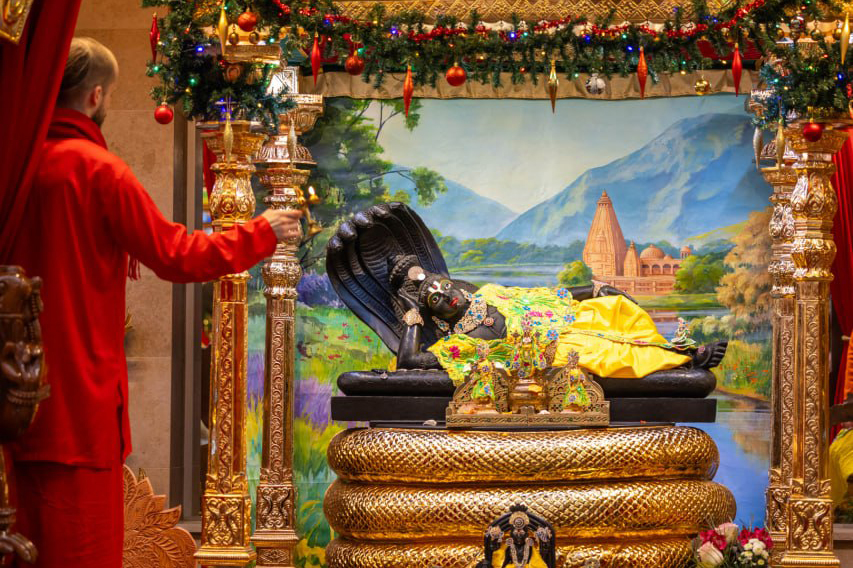
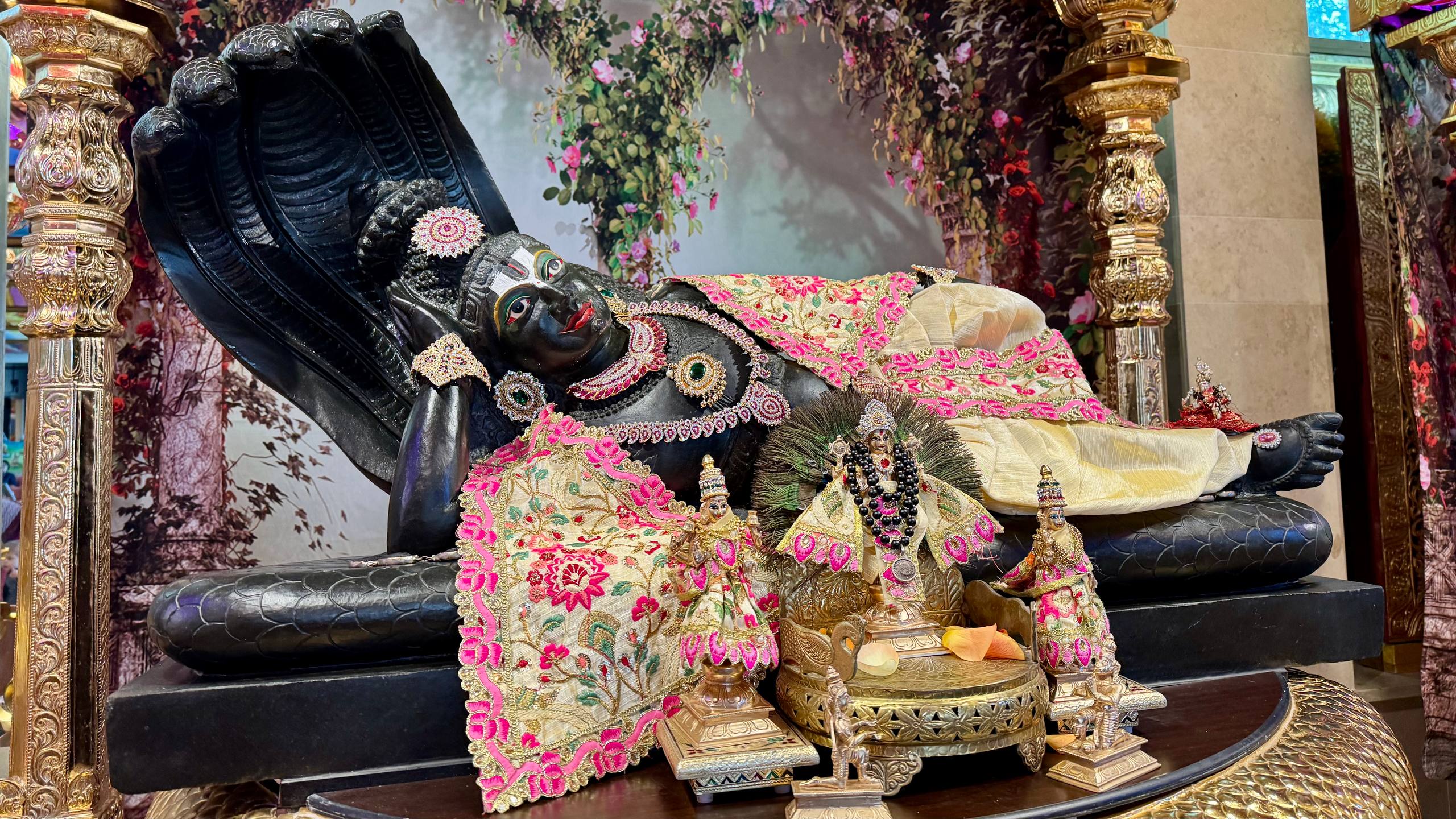
Serve those who serve us all!
Bhutabhrteshwarnath Mandir is a place where we come together to pray and grow in our spiritual journeys. The rituals and prayers help us feel closer to the Divine and remind us of our faith. If you feel a calling to deepen your relationship with the Divine, one way to do this is to support our temple. Join our donation program with the link below and help us continue the wonderful work of our beloved Gurudev. Together we can spread the grace of the Lord and bring more positivity to the world!
“By this, may you nurture the gods, and in return the gods will nurture you. In this way, nurturing one another, you will obtain the highest good.” Bhagavad Gita, Chapter 3, Verse 11
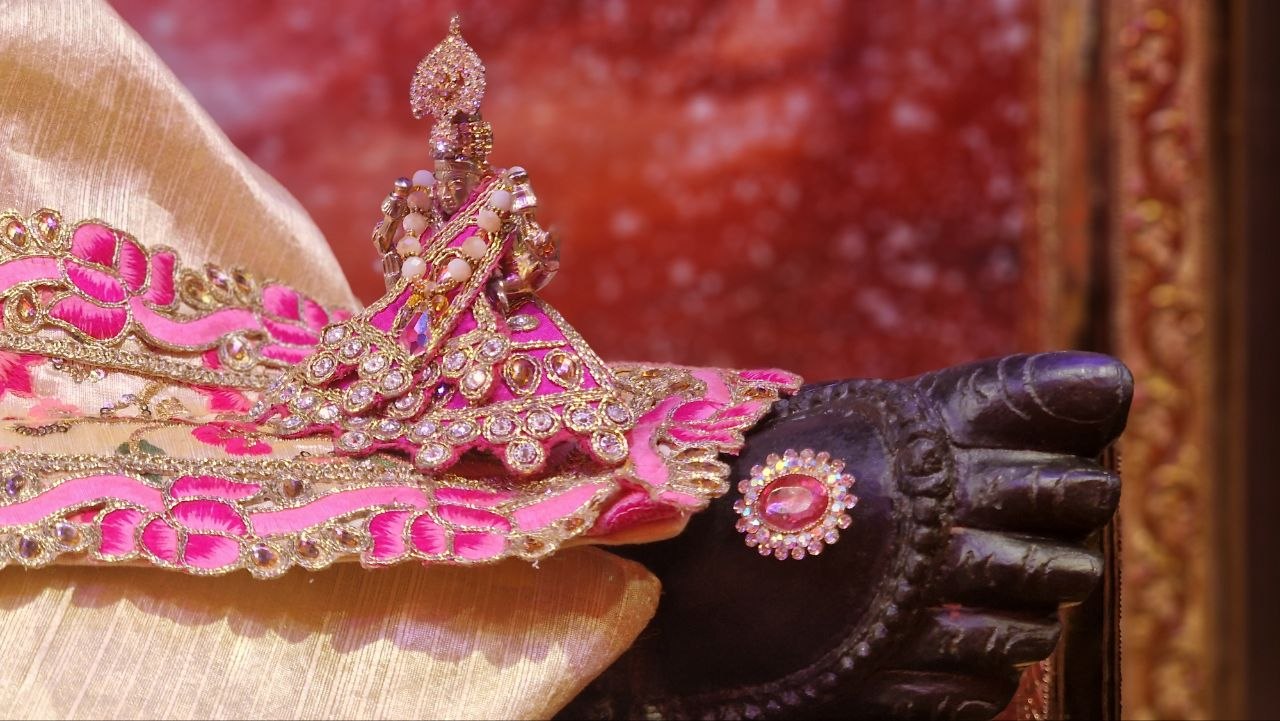
Rewatch Guruji`s beautiful Satsang:

´Nārāyaṇa is lying on Ādiśeṣa. When we look at Śrī Raṅganātha, we see that He has only two hands. He is not like Mahā-Viṣṇu, who has four hands. He has two hands like everyone else. He reminds us that how He is you are also. He is not far away; He is not Caturbhuja Viṣṇu. He has two hands to hold you and bring you near to Him.´
All Blog Posts
Sri Ranganatha Lilas
Śrī Raṅganātha is the reclining form of Nārāyaṇa, resting upon Ādiśeṣa, the thousand-headed divine serpent, in the eternal Ocean of Milk.
August 2026
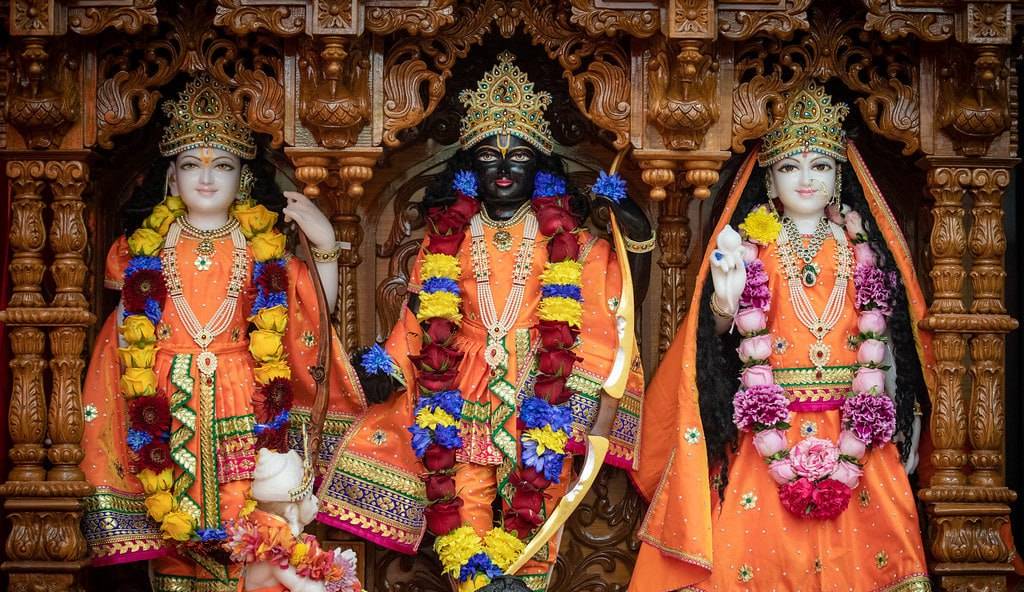
Ram Darbar Lilas
The Ram Darbar—comprising Rāma, Sītā, Lakṣmaṇa, and Hanumān — symbolizes the human body and the soul’s inner journey.
March 2026
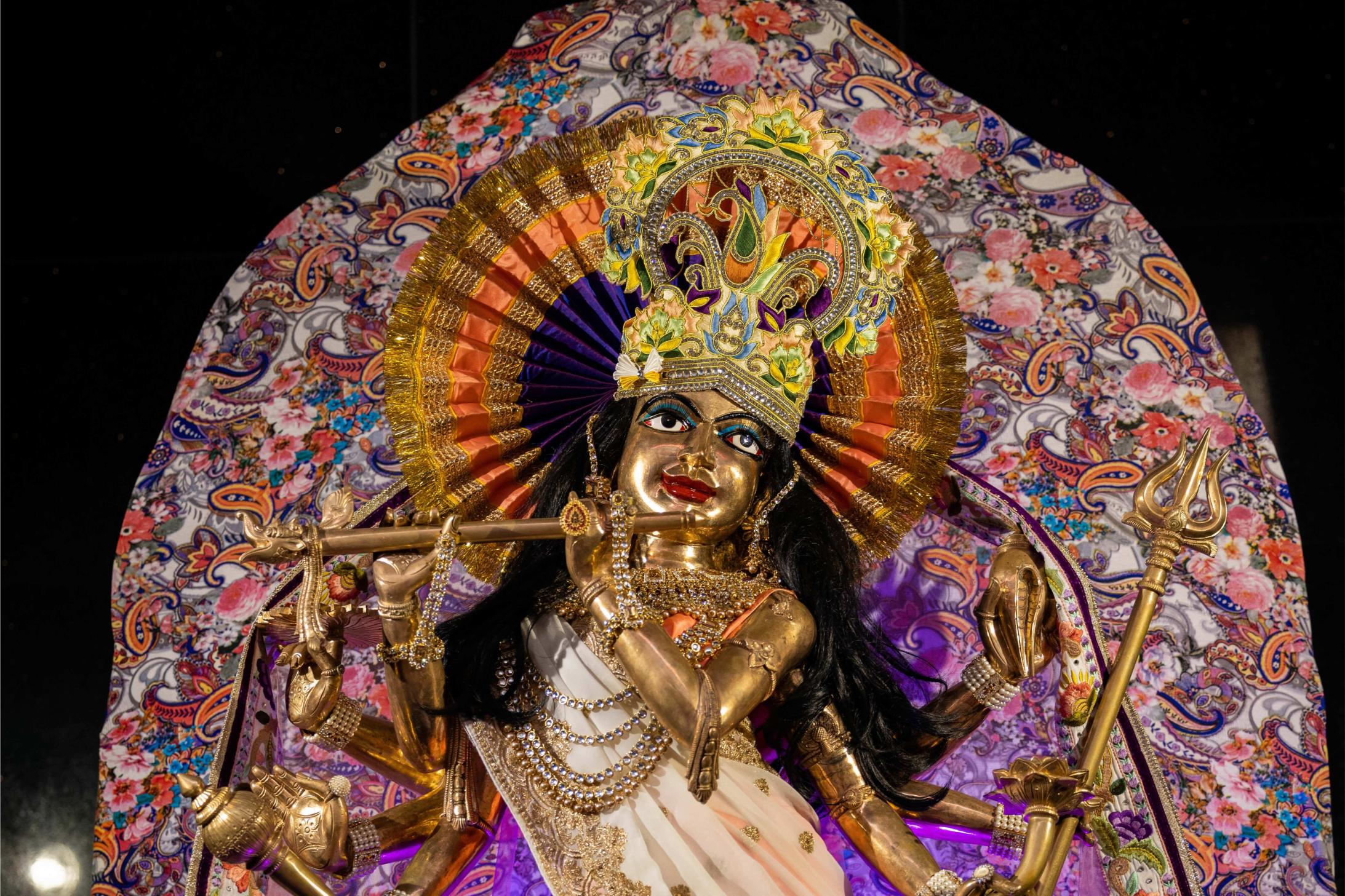
Radha Durga’s Lilas
Rādhā-Durgā is a rare and mystical form, worshipped for the first time as a divine manifestation of Rādhā appearing as Durgā.
January 2026
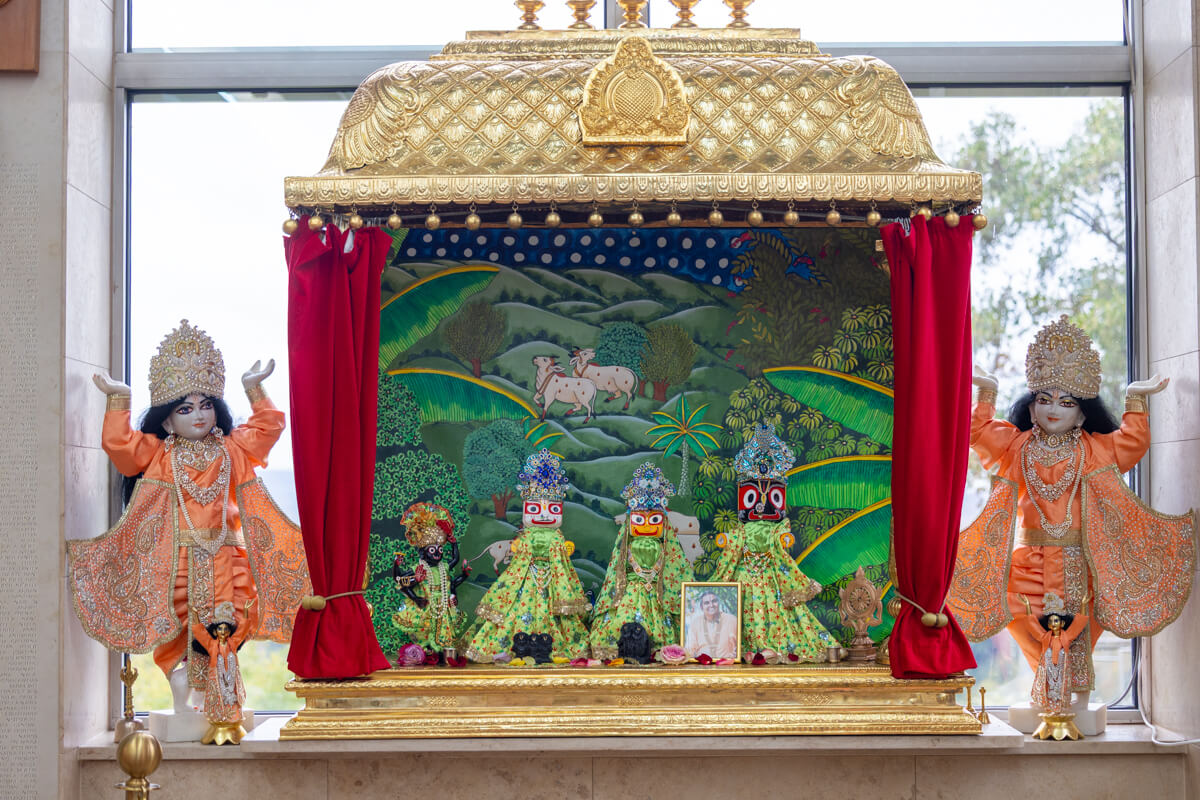
Sri Jagannatha and Gaura Nitai’s Lilas
Śrī Jagannātha, a manifestation of Śrī Kṛṣṇa Himself, embodies the all-embracing form of God who offers His love and mercy to everyone, regardless of background.
November 2025
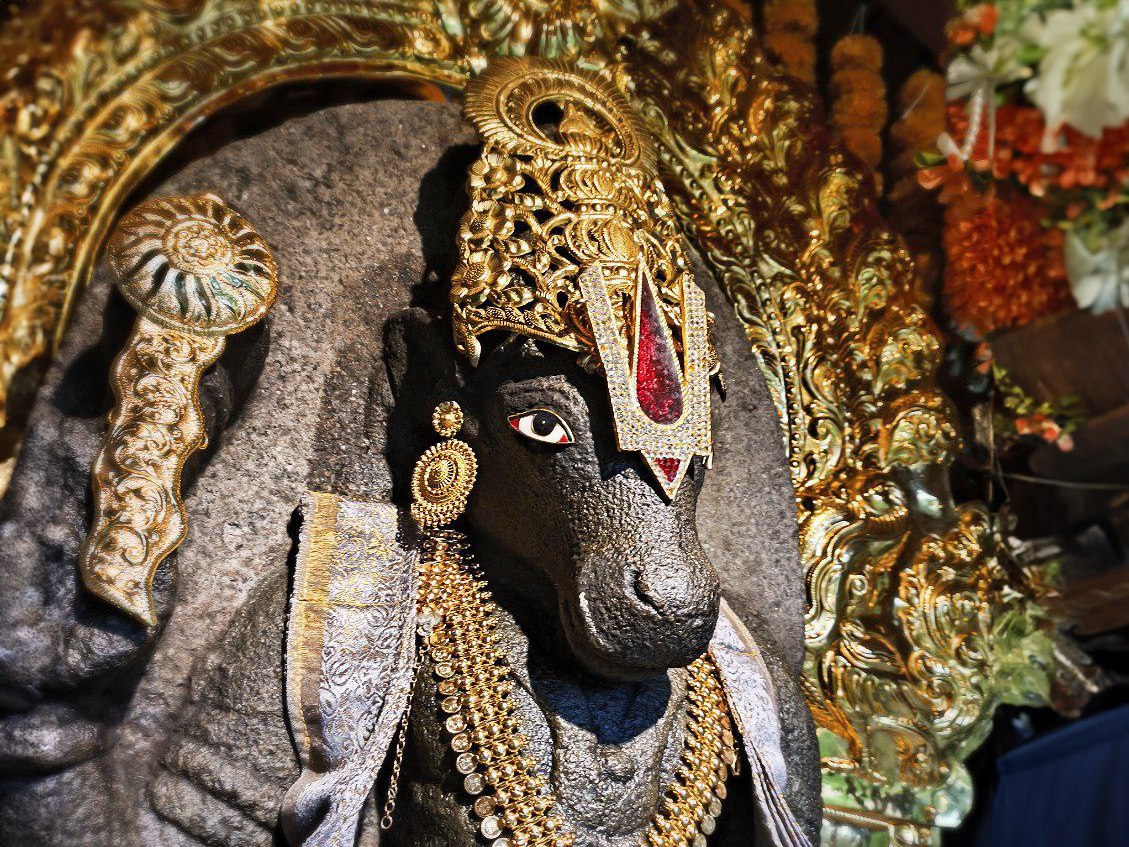
Lord Varaha`s Lilas
Lord Varāha is a boar incarnation of Bhagavān, particularly renowned for His act of saving Mother Earth from the demon Hiraṇyākṣa.
September 2025
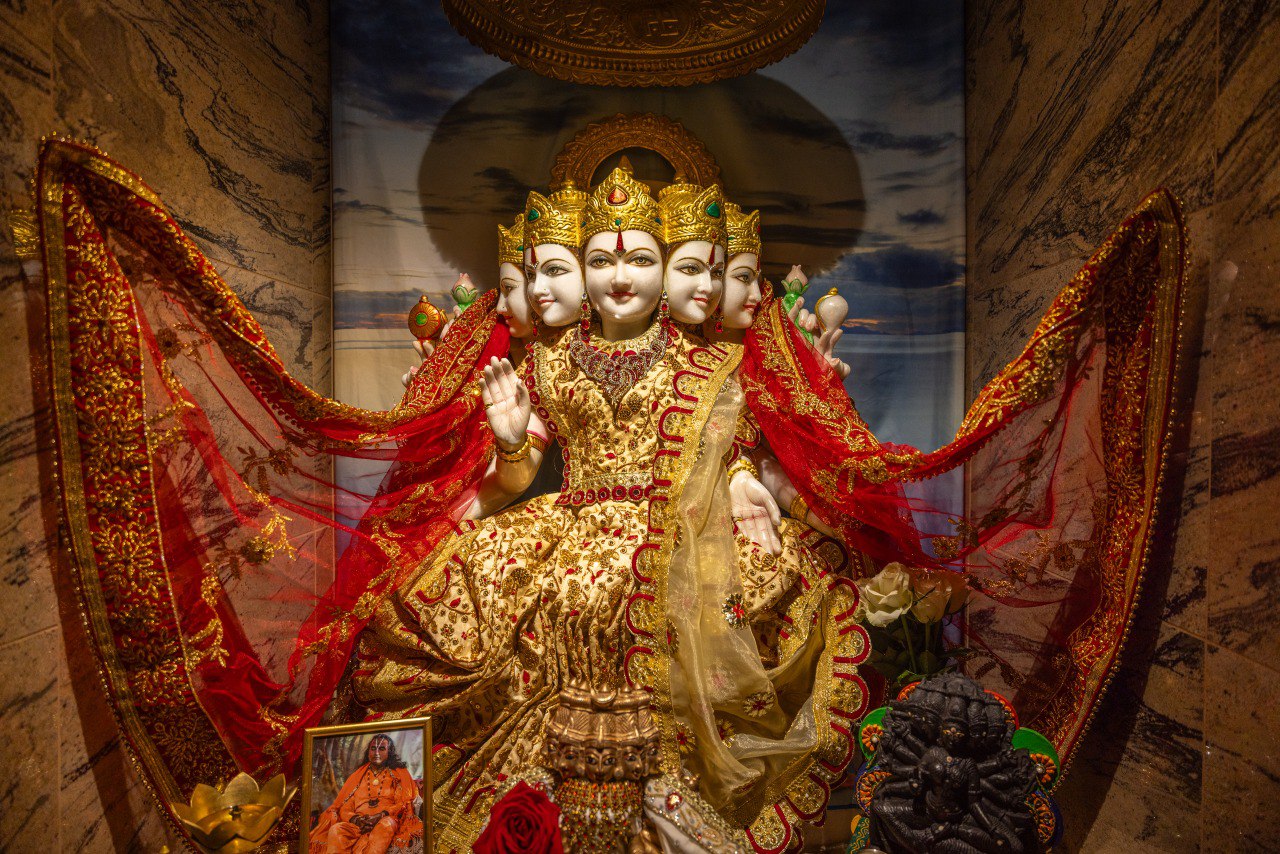
Gayatri Devi`s Lilas
Gāyatrī-devī, a radiant aspect of the Divine Mother, is revered as the source of wisdom in Hindu tradition. As the divine origin of the Gāyatrī-mantra, She embodies purity, clarity, and higher learning.
July 2025
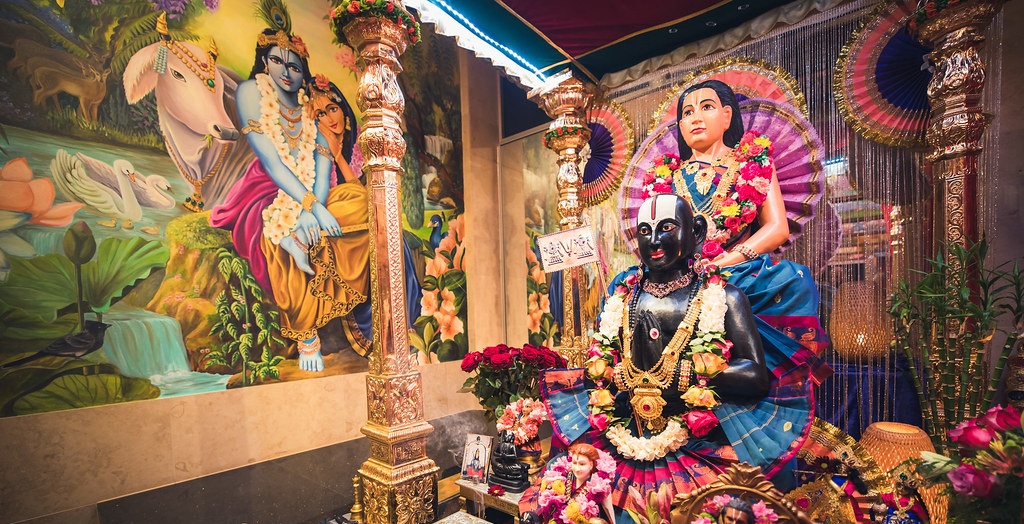
The Masters`s Lilas
At Shree Peetha Nilaya, The Masters— Śrī Rāmānujācārya, and Mahāvatāra Bābājī —are deeply cherished by devotees. Their lives of selfless service and deep devotion continue to inspire us.
May 2025
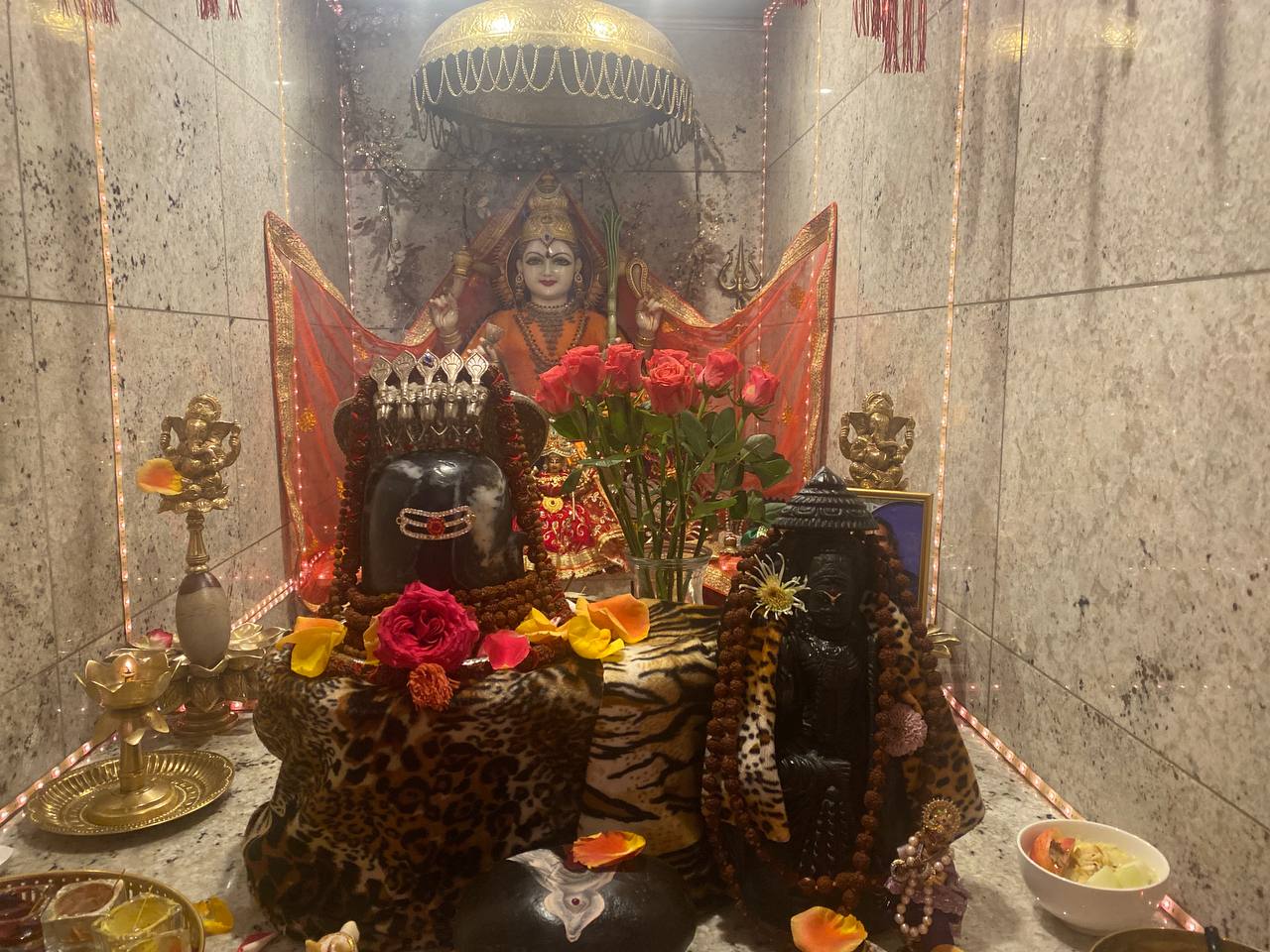
Shiva & Kamakshi Devi`s Lilas
Lord Śiva, one of the Trimūrti, embodies love, service, and devotion, holding a special place in the hearts of his devotees. His divine counterpart, Kāmākṣī-devī, a powerful form…
March 2025
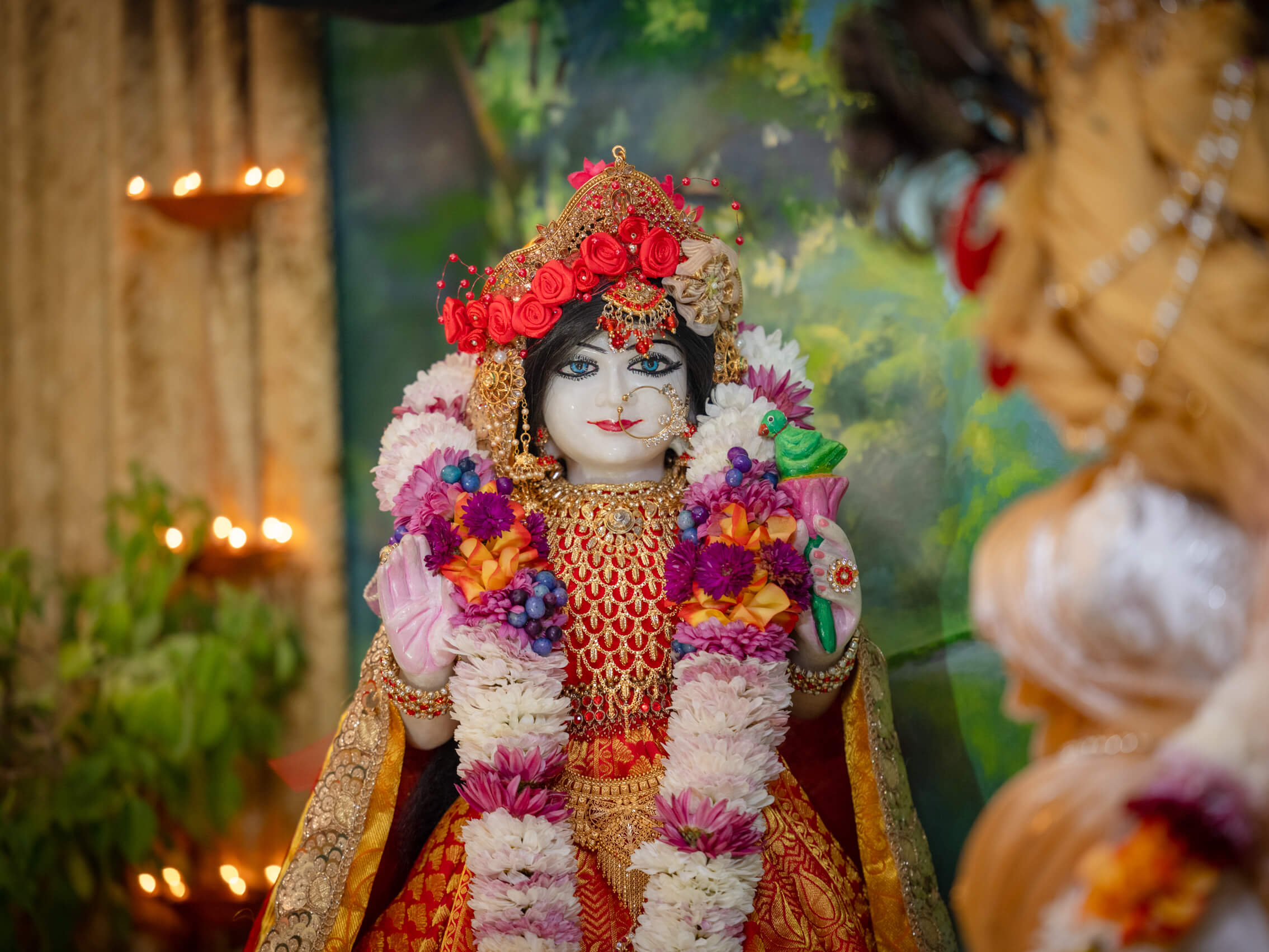
Tulsi Devi`s Lilas
Tulsī-devī is more than a plant—She is a living presence of love and devotion that touches the hearts of all who serve Her.
January 2025
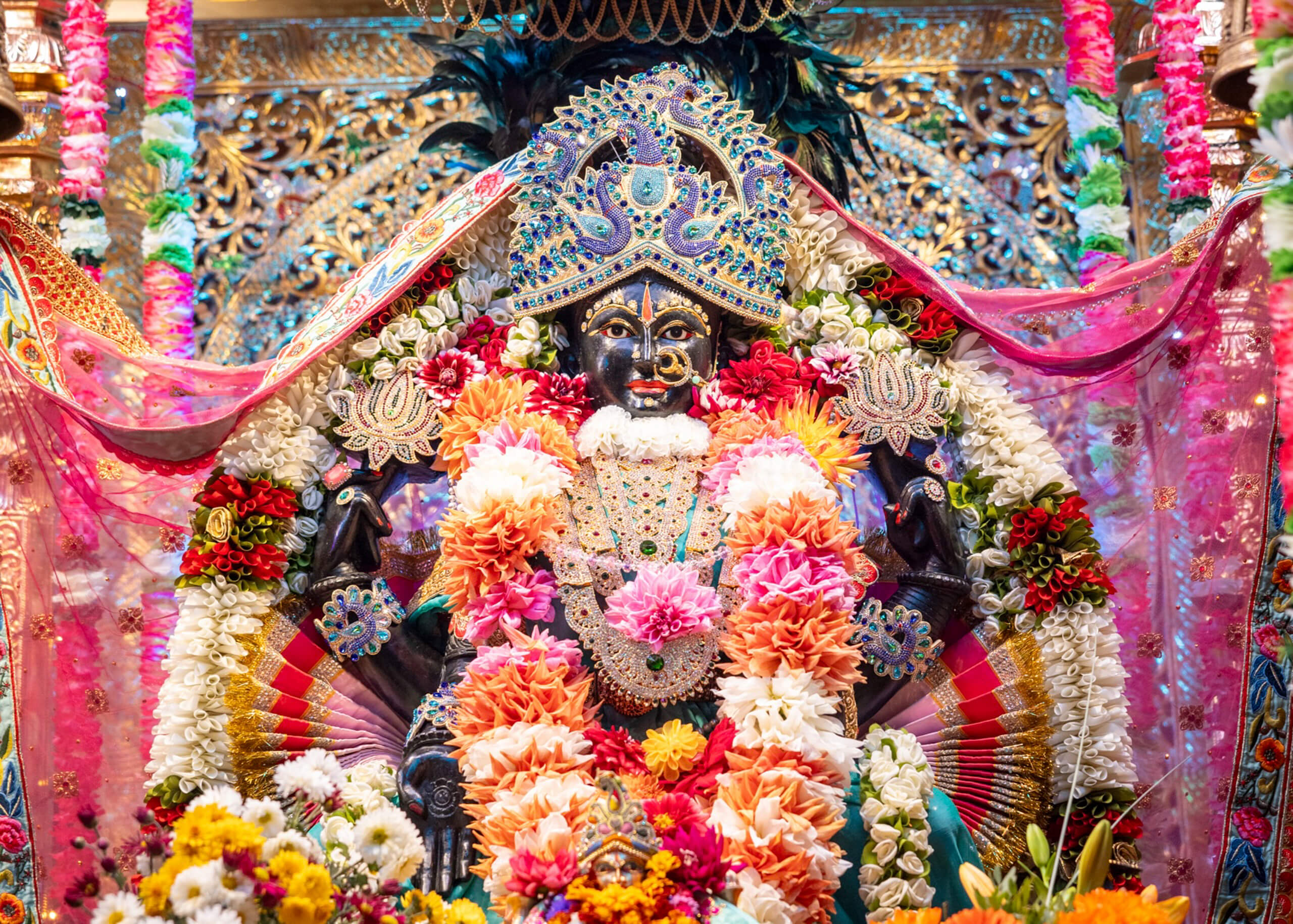
Maha Lakshmi`s Lilas
Maha-Lakshmi, the beloved wife of Lord Narayana, fills our lives with blessings, peace, and kindness.
November 2024
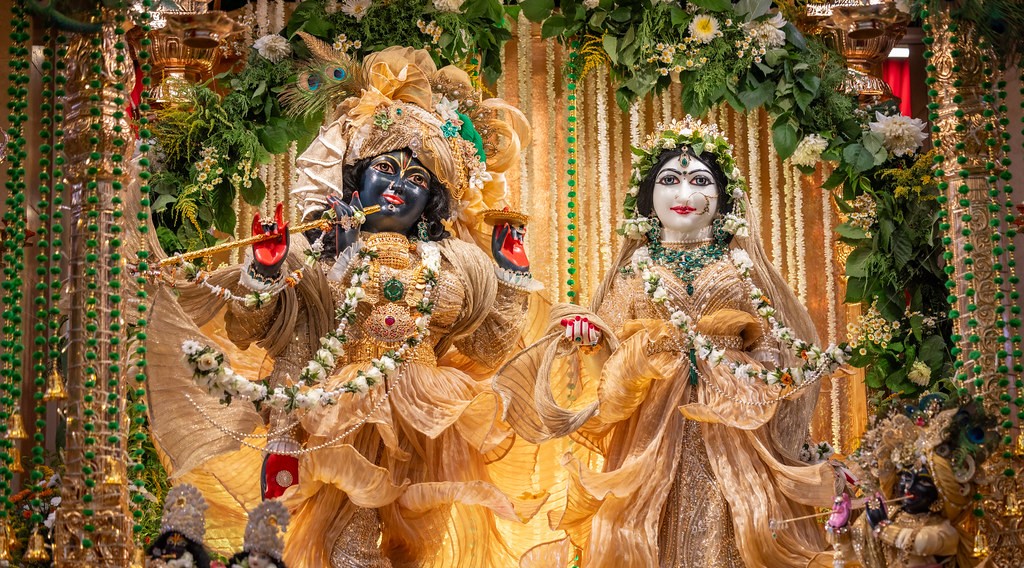
Radha Krishna`s Lilas
Radha and Krishna, residing in the Bhutabhrteshwarnath Mandir at Shree Peetha Nilaya, were lovingly named ‘Kripanidhe’ by Guruji, meaning ‘the ones who are full of mercy and grace’.
October 2024
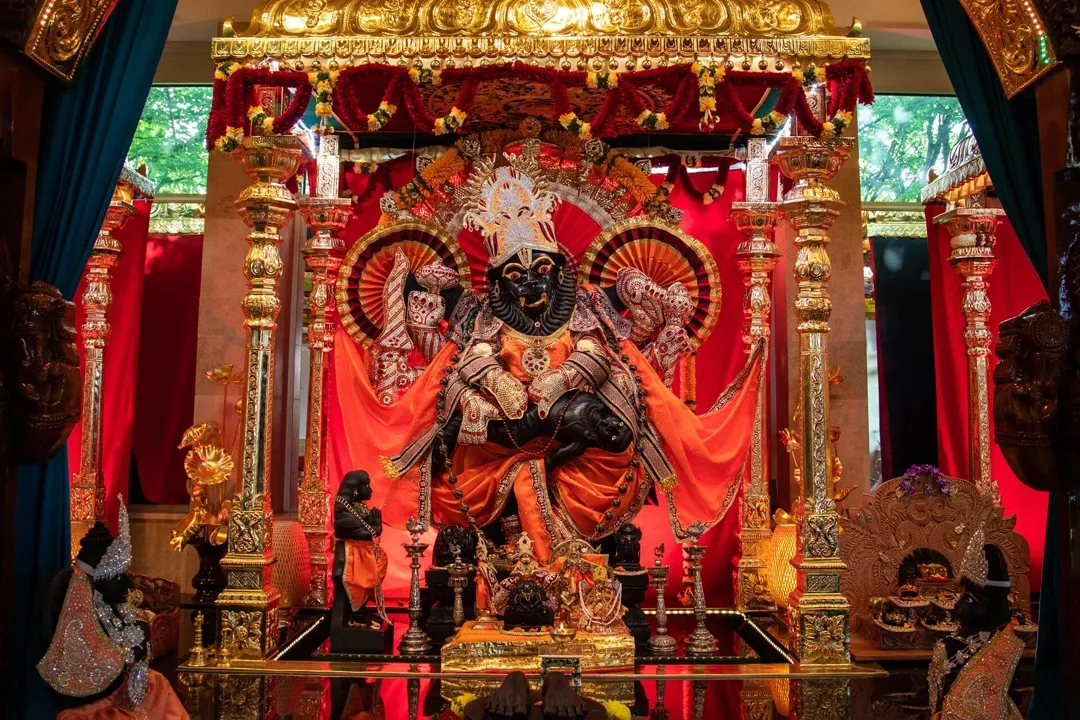
Lord Narasimha`s Lilas
At the Bhutabhrteshwarnath Mandir in Shree Peetha Nilaya, Lord Narasimha, who is both fierce and gentle, is not just respected but also truly loved by His devotees.
September 2024